

What Is Lightning Protection?
Lightning protection is a system designed to safely intercept a lightning strike and direct the electrical energy into the ground without causing damage to a structure. Rather than allowing lightning to pass unpredictably through a building, a properly installed system provides a controlled path to safely dissipate the energy.
These systems are engineered to protect both the physical structure and the electrical systems inside, reducing the risk of fire, equipment failure, and costly repairs.
Understand how Surge Protection Systems work alongside lightning protection.
How Lightning Can Damage a Property
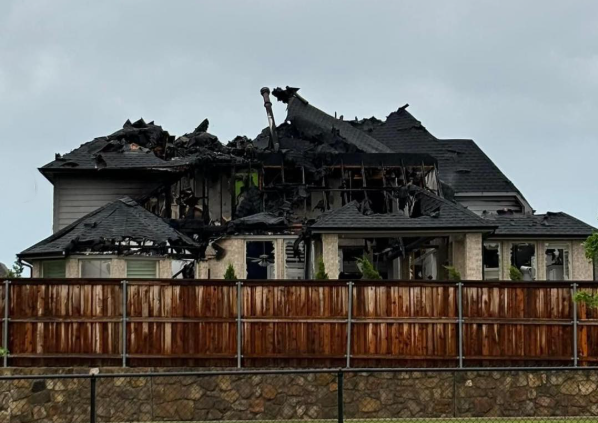

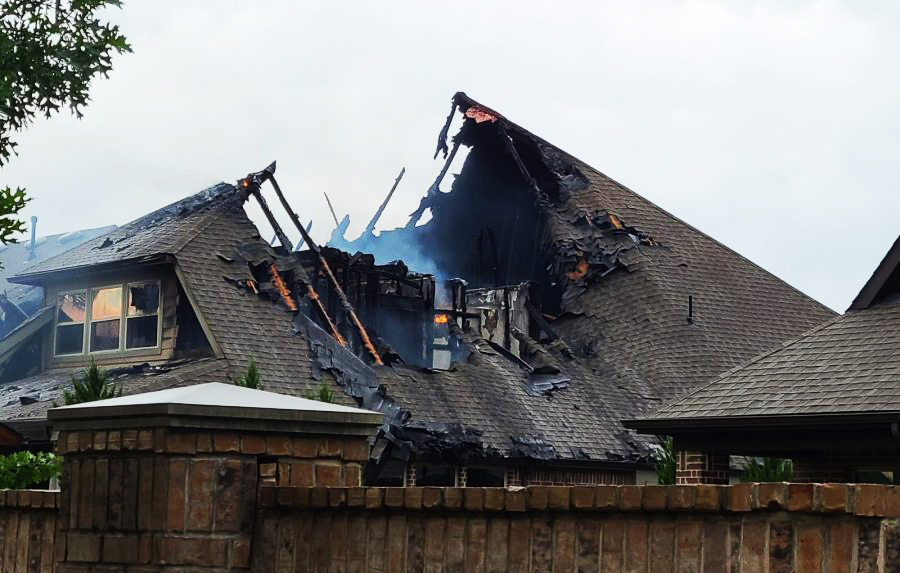
Lightning strikes can cause significant damage in a matter of milliseconds. When a structure is struck, the energy can travel through roofing materials, framing, electrical systems, and plumbing.
Common forms of damage include:
- Fires caused by extreme heat at the strike point
- Electrical system failures and equipment damage
- Structural damage to roofing and building materials
- Data loss and downtime for commercial properties
Without a properly designed system, this energy has no controlled path to ground, increasing the likelihood of serious damage.
How Lightning Protection Systems Work
A complete lightning protection system is made up of several key components that work together to safely capture and redirect lightning energy.

Air Terminals
Air terminals, commonly referred to as lightning rods, are placed at key points on a structure to intercept lightning strikes.

Conductors
Conductors connect the air terminals and create a continuous path for the electrical energy to travel safely down the structure.

Grounding System
The grounding system dissipates the lightning energy into the earth, preventing damage to the structure.

Bonding
Bonding ensures that all metal systems within the structure are connected, eliminating dangerous voltage differences during a strike.

Built to National Lightning Protection Standards
Proper lightning protection systems must be installed in accordance with nationally recognized safety standards to ensure performance and reliability.
At Lightning Safety Solutions, systems are designed and installed following:
- UL 96A installation standards
- NFPA 780 guidelines
- LPI-175 requirements
We use UL-listed components and follow proven installation practices to ensure each system performs as intended.
Lightning Protection for Residential and Commercial Properties
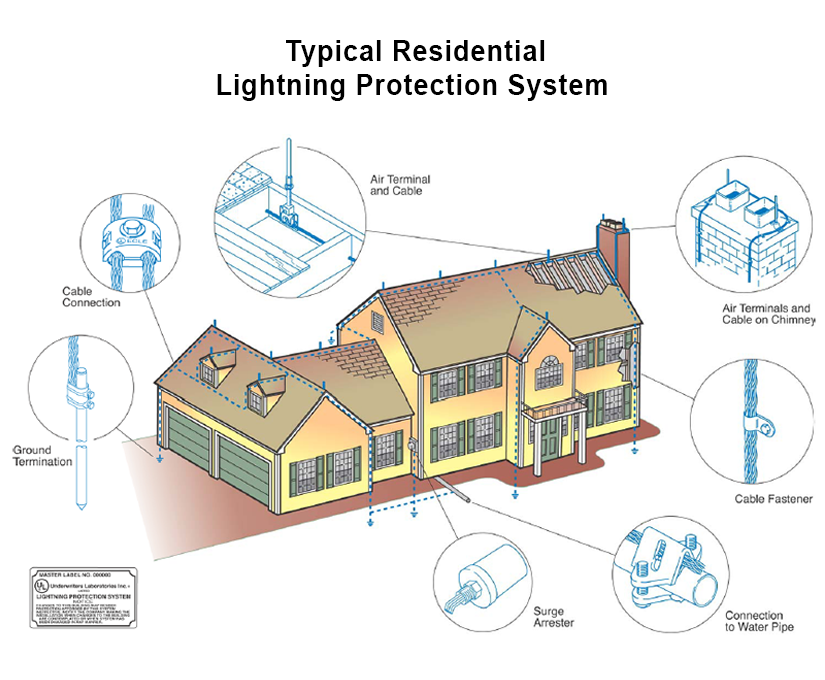
Residential Lightning Protection
Lightning protection systems can be tailored for both new construction and existing homes, helping protect families, electronics, and structural components. Learn more about Residential Lightning Protection.
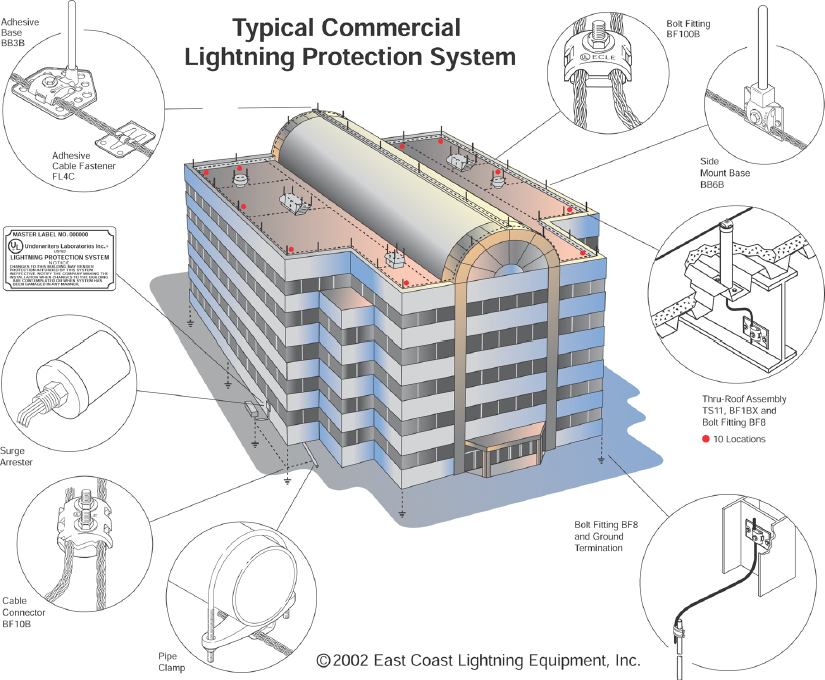
COMMERCIAL LIGHTNING PROTECTION
Commercial systems are designed to protect facilities, equipment, and operations while meeting safety and compliance requirements. Explore Commercial Lightnin Protection Solutions.
Why Professional Installation Matters
Lightning protection systems must be properly designed and installed to function correctly. Poorly installed systems can fail to provide adequate protection or create additional risks.
Professional installation ensures:
- Proper system design for the structure
- Compliance with safety standards
- Reliable performance during a lightning event

Inspection, Maintenance & Repairs
Lightning protection systems require periodic inspection and maintenance to ensure continued performance. Storms, construction changes, or normal wear can impact system effectiveness.
Regular inspections help identify issues early and ensure the system remains fully functional.
