
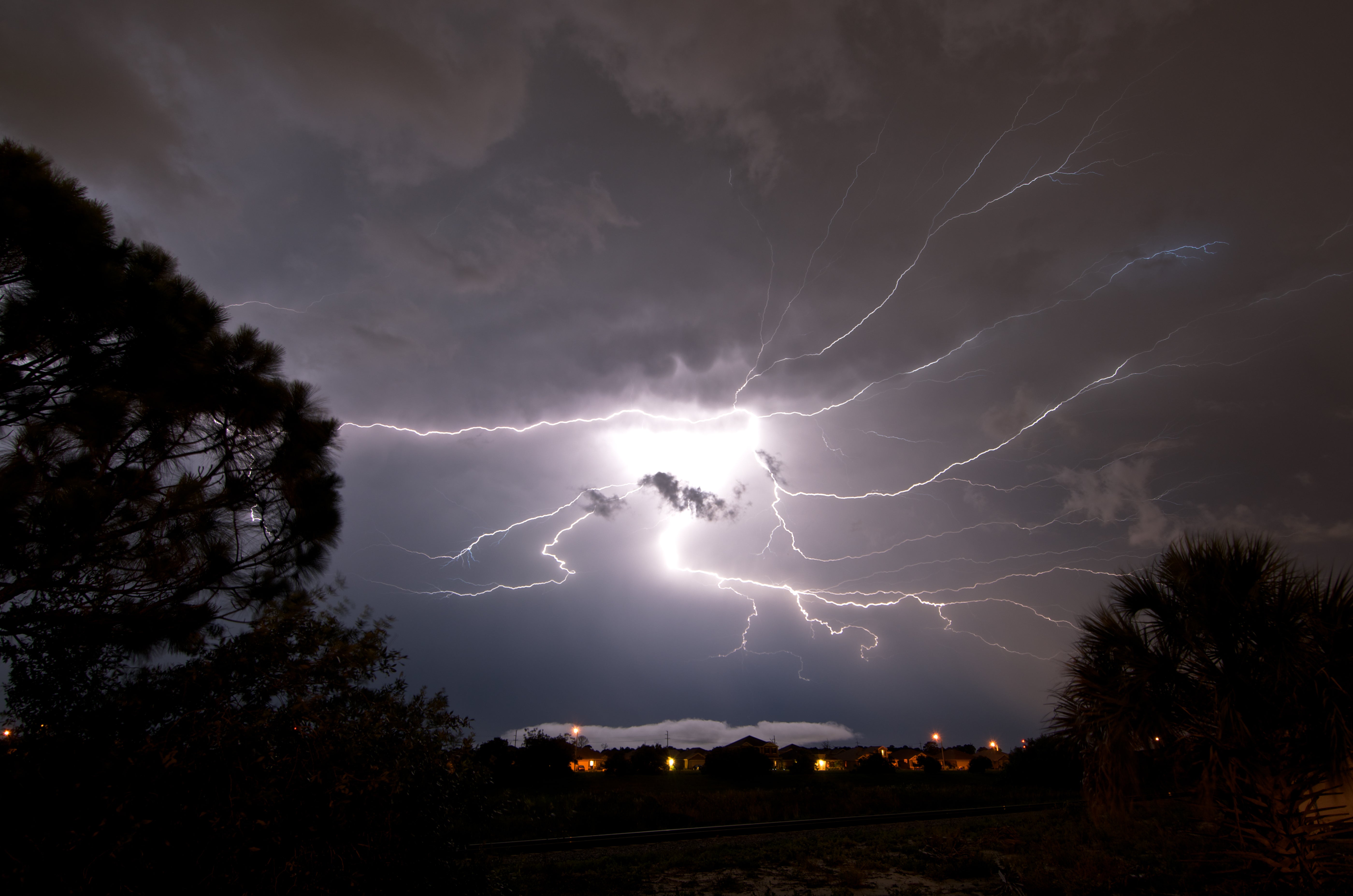
Texas storm seasons are becoming more intense, more unpredictable, and more destructive. 2026 is shaping up to be no exception. Forecast data from NOAA, combined with regional storm modeling and grid reliability assessments, indicates that Texas will likely experience stronger convective storms, increased lightning activity, and elevated surge risk throughout the coming year.
Storm damage in Texas is no longer seasonal, it is becoming a year-round risk.
For homeowners and businesses across DFW, Austin, Houston, and surrounding areas, the question is no longer if severe storms will occur, but how prepared your property is when they do.
This forecast breaks down what experts expect in 2026 and what proactive steps should be taken now.

What’s Driving Stronger Storms in Texas
Texas sits at the intersection of multiple weather systems; warm Gulf moisture, dry continental air, and powerful jet stream dynamics. NOAA climatology data shows these systems are colliding with increasing frequency and intensity.
Key drivers heading into 2026 include:
- Higher surface temperatures
- Increased atmospheric moisture
- Stronger temperature gradients
- More volatile frontal boundaries
- Rapid urban expansion altering heat patterns
Warmer air holds more moisture, and more moisture fuels stronger storms.
These conditions create ideal environments for:
- Severe thunderstorms
- Large hail events
- Intense lightning outbreaks
- Powerful wind systems
- Grid-disrupting surge events
Lightning Activity Is Expected to Increase in 2026
Lightning frequency in Texas has already risen sharply over the past several years, and NOAA modeling suggests above-average lightning density will continue across much of the state.
North Texas in particular remains one of the highest-risk regions.
DFW consistently ranks among the most lightning-active metro areas in the United States.
Lightning increases risk in three major ways:
- Structural ignition (fires)
- Electrical surges damaging systems
- Cascading failures across utilities and electronics
The growing concentration of electronics in modern homes and commercial facilities magnifies the impact of every strike.
Power Grid Stress and Surge Risk in 2026
Texas’s power grid remains under increasing strain, especially during periods of extreme weather. ERCOT’s seasonal assessments have repeatedly warned that severe storms, including winter storms, elevate the risk of voltage irregularities and power surges.
Grid instability significantly increases the likelihood of destructive electrical surges.
Surges can enter buildings through:
- Utility power lines
- Internet and communication cables
- Underground wiring
- Solar arrays and EV charging systems
Lightning does not need to strike a structure directly to cause extensive damage.
Why Homes and Businesses Are More Vulnerable Than Ever
Modern properties are more connected, and more exposed than those built decades ago.
Risk factors now include:
- Smart home systems
- Networked security and cameras
- HVAC systems with electronic controls
- EV chargers
- Pool automation
- Solar installations
- Commercial control panels and automation
The more technology inside a building, the more vulnerable it is during a storm.
Without proper grounding, bonding, lightning protection, and surge mitigation, a single storm can cause widespread failure.
The Cost of Waiting Until Storm Season
Many property owners wait until after damage occurs to take protection seriously. Unfortunately, that approach is becoming increasingly costly.
Waiting can result in:
- Expensive repairs
- Insurance disputes or denials
- Business interruption
- Equipment replacement delays
- Safety risks for occupants
Storm preparation is far less expensive than storm recovery.
Insurance coverage is also becoming more restrictive, with higher deductibles and exclusions related to preventable electrical damage.
What Property Owners Should Do Before the 2026 Storm Season
Preparation now can dramatically reduce risk later.
Recommended proactive steps include:
- Professional lightning protection evaluation
- Verification of grounding and bonding systems
- Installation of whole-home or facility surge protection
- Inspection after roofing, solar, or electrical work
- Documentation for insurance compliance
The best time to prepare for storm season is before the first storm arrives.
Certified lightning protection systems and surge mitigation strategies are proven to prevent both structural damage and internal system failures.
Why Proactive Protection Is Becoming the Standard
As storm patterns intensify and insurance policies tighten, proactive protection is no longer optional, it is becoming the standard for responsible property ownership.
Homes and facilities equipped with properly engineered systems experience:
- Reduced damage
- Faster recovery after storms
- Lower insurance disputes
- Increased long-term asset protection
Storm season readiness is now part of long-term property planning.
The 2026 Texas storm season is expected to bring increased lightning activity, stronger storms, and greater electrical risk across the state. Homeowners and businesses that prepare now can avoid catastrophic losses later.
Storms cannot be controlled, but their impact can be.
Protect your property before the next storm season begins. Request a professional evaluation today.
References:
- NOAA National Weather Service | Storm & Lightning Forecasting
https://www.weather.gov - NOAA Storm Prediction Center | Severe Weather Outlooks
https://www.spc.noaa.gov - ERCOT | Seasonal Grid Reliability Assessments
https://www.ercot.com - Vaisala National Lightning Detection Network | https://www.vaisala.com
- Insurance Information Institute | Storm & Lightning Loss Trends
https://www.iii.org
Share:
Power Grid Instability and Lightning: Why Early 2026 Will Bring More Surges to Texas Properties